
Social media grew up – and so did its audience
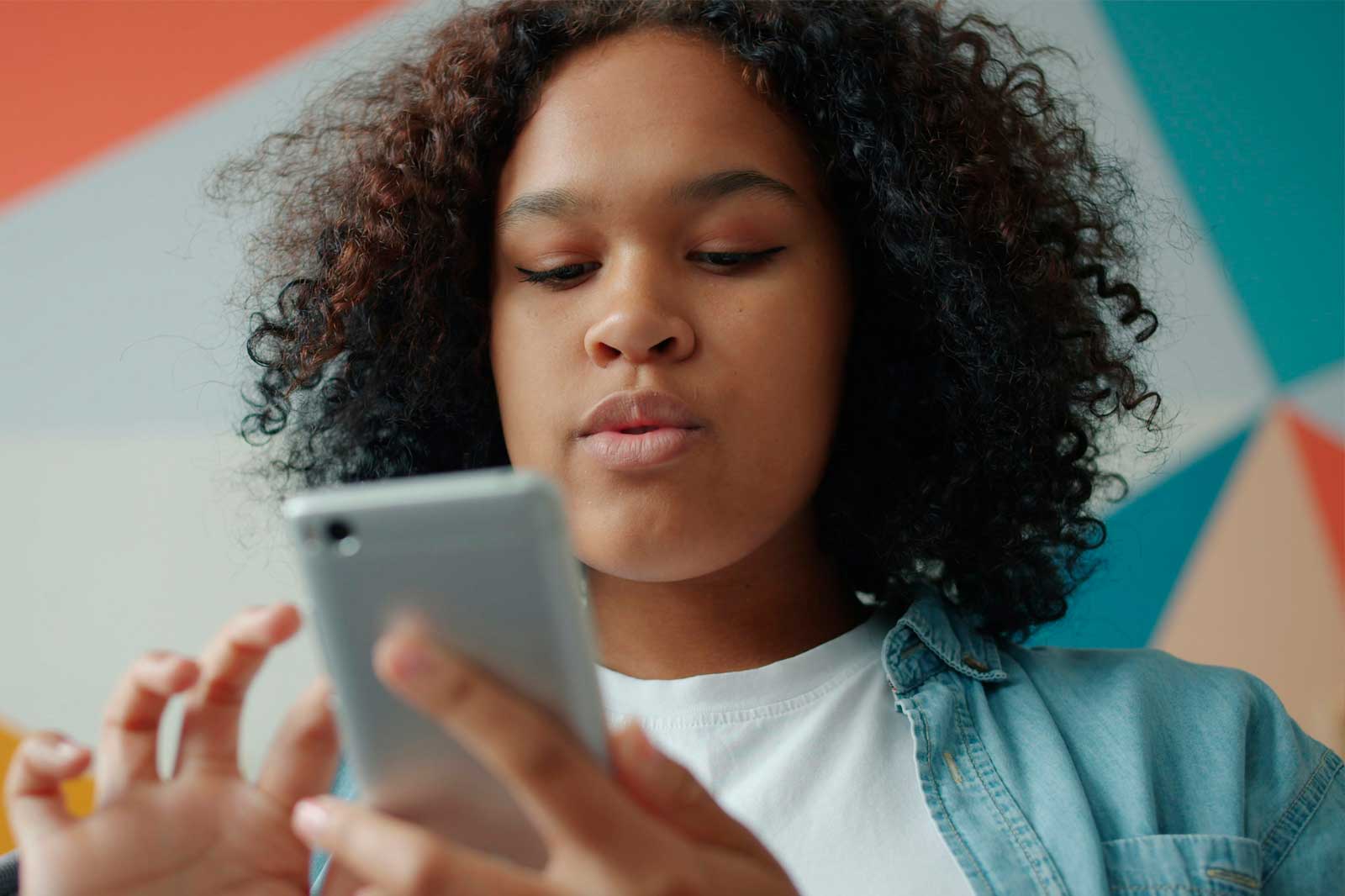
The government’s proposed ban on social media for children lands at a telling moment. This September, it’s 20 years since Facebook launched to the general public in the UK and the way we communicate, connect and consume was changed forever. What a ride it’s been.
In those two decades, digital marketing has evolved from keyword stuffing and metadata tinkering into an AI-powered, intent-driven ecosystem few could have predicted in 2006.
Social media has been on a similar journey, from early novelties like ‘pokes’ to complex, algorithm-led feeds, some joyful, some more sinister, and plenty of cat and dog memes to keep us hooked.
Yet the most important shift isn’t technological. It’s human. What we couldn’t have foreseen 20 years ago is that social media would come full circle – forcing a rethink of what genuine connection really looks like, and reminding us that meaningful engagement has always been driven by people, not platforms.
When connection became optimisation
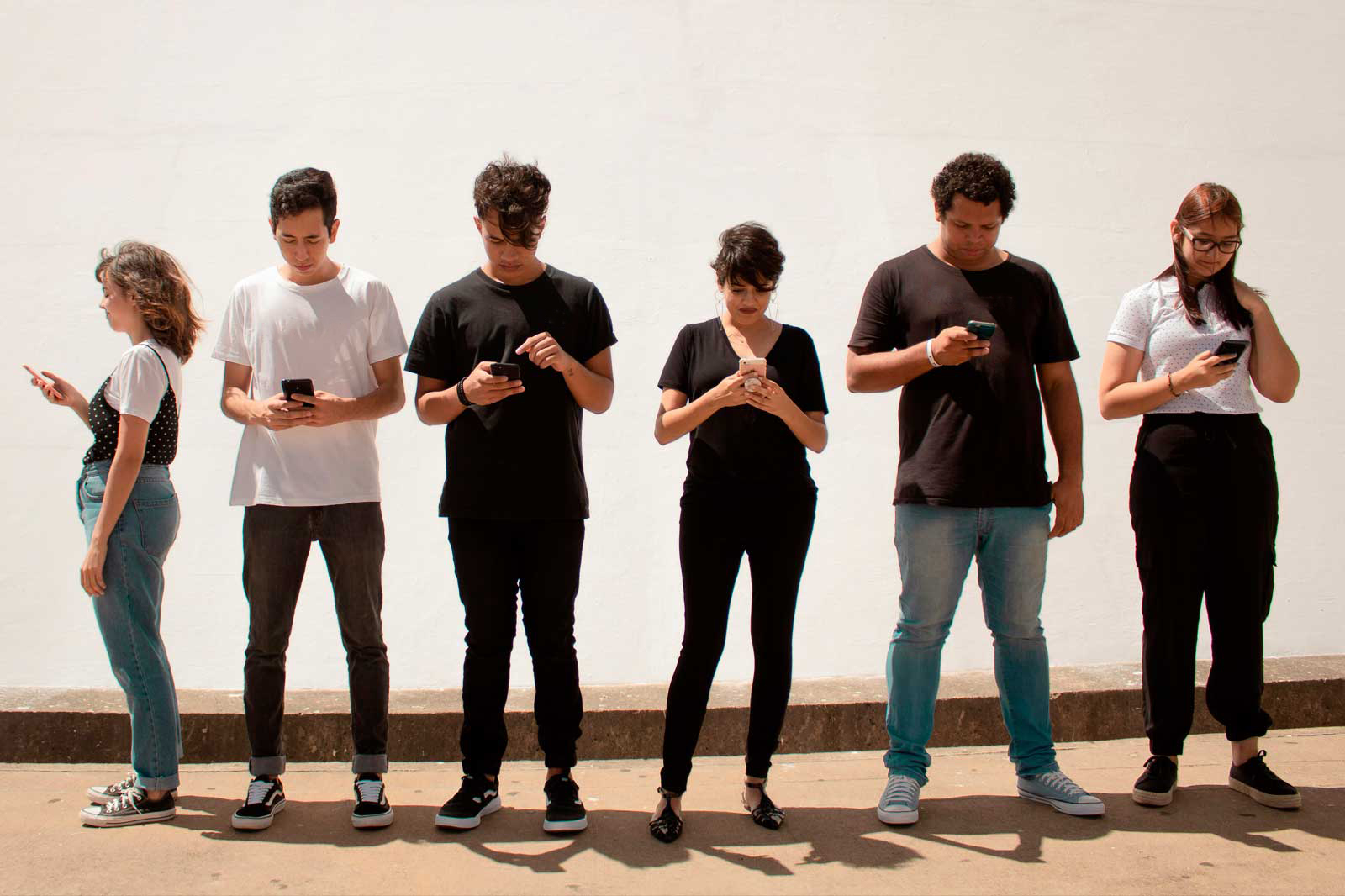
Today, it is a ubiquitous part of our daily interactions with friends and the wider world; for many, it is the primary channel. In 2024, social media usage reached peak saturation in the UK at 82% of the population, dropping to 79% in 2025. But over the years, we’ve seen social media platforms shift from expanding relationships and organic connections to optimising for revenue generation, with AI driving the algorithms. Content quickly follows suit as brands and creators are funnelled into serving the algorithm in a relentless bid to win attention from an audience that is entertained but not necessarily engaged. Even the mighty TikTok has witnessed a 50% decrease in engagement rates. Audience volume has not declined; it has diluted.
The engagement illusion
Brands can no longer rely on these algorithmic platforms to build personal, interest-driven followings and meet ever-increasing reach demands and ad spend requirements. With digital spend set to rise by a further 13% in 2026, brands are having to spend more and more money on digital channels, but their revenues, profits or the wider economy aren’t growing quickly enough to justify or support these rising costs. These platforms are, of course, still hugely important for delivering campaign awareness as part of your media mix, but they are increasingly costly whilst actual engagements decline in authentic value. For many brands, this hungry machine has evolved into a distribution platform rather than an engagement platform, an ad marketplace powered by behavioural data.
So, 20 years down the line, where is the fresh, optimistic connection that we all believed social media would bring us?
Here’s the good news: it’s within us, not within the machine.
A shift in power: audiences set the terms
The new ‘social’ media is not a single platform, but a generation of Gen Z and younger millennial adults who grew up alongside the big platforms and now expect more from brands and creators. This is where the change lies: attitudes, not technology, now define what social means. This is where the shift begins.
This is what social media did well. It democratised access and seeded in a generation the notion that brands should earn their engagement. Adults aged 35 and under expect brands to demonstrate their relevance through direct engagement, and for that engagement to translate into connection, it must be authentic. That means designed and communicated for people, rather than algorithms.
So where does this leave us?
From passive scrolling to active participation
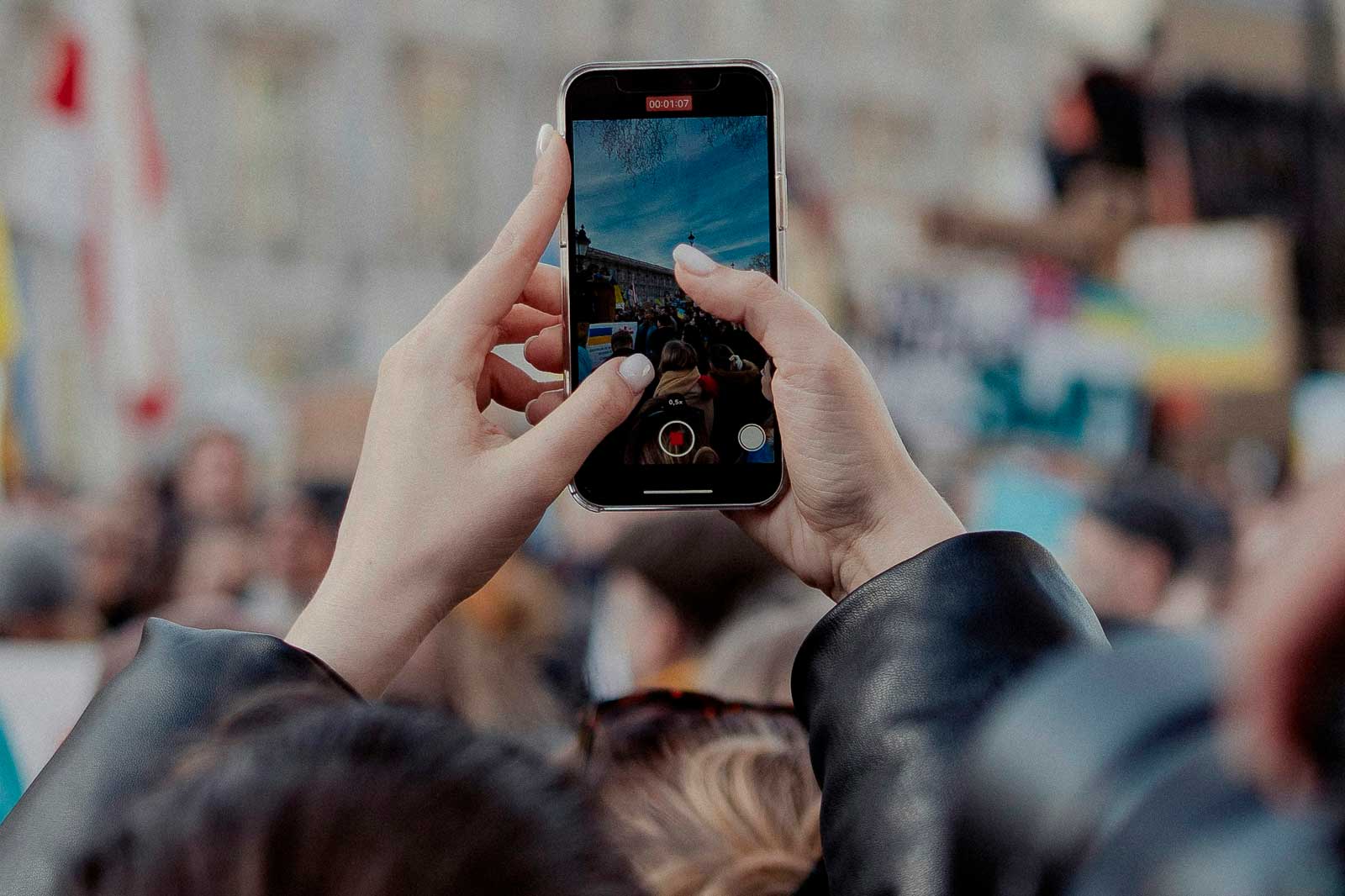
OK, we’re not going truly full circle back to 2006, but we are coming of age. As feeds become more optimised, audiences are becoming more intentional about how they interact with the information that matters to them and the people they want to connect with. After too many years of passive social media consumption, genuine participation is now back on the list of priorities.
The counter-movement to algorithmic media has begun...
Younger adults seek smaller, sometimes closed, communities. They’re more likely to engage with content creators who reflect their values rather than faceless brands, and they want to participate in the conversation. A 2024 Channel 4 study found that 54% of younger audiences trust influencers more than celebrities, and they’re also more likely to trust content from their friends than from traditional news media. As some commentators have observed, “social media isn’t becoming less social, it’s becoming less public,” with Ofcom data demonstrating a clear shift towards smaller-scale interactions and a notable 15% year-on-year decrease in active adult posting.
Community-first: the future of social
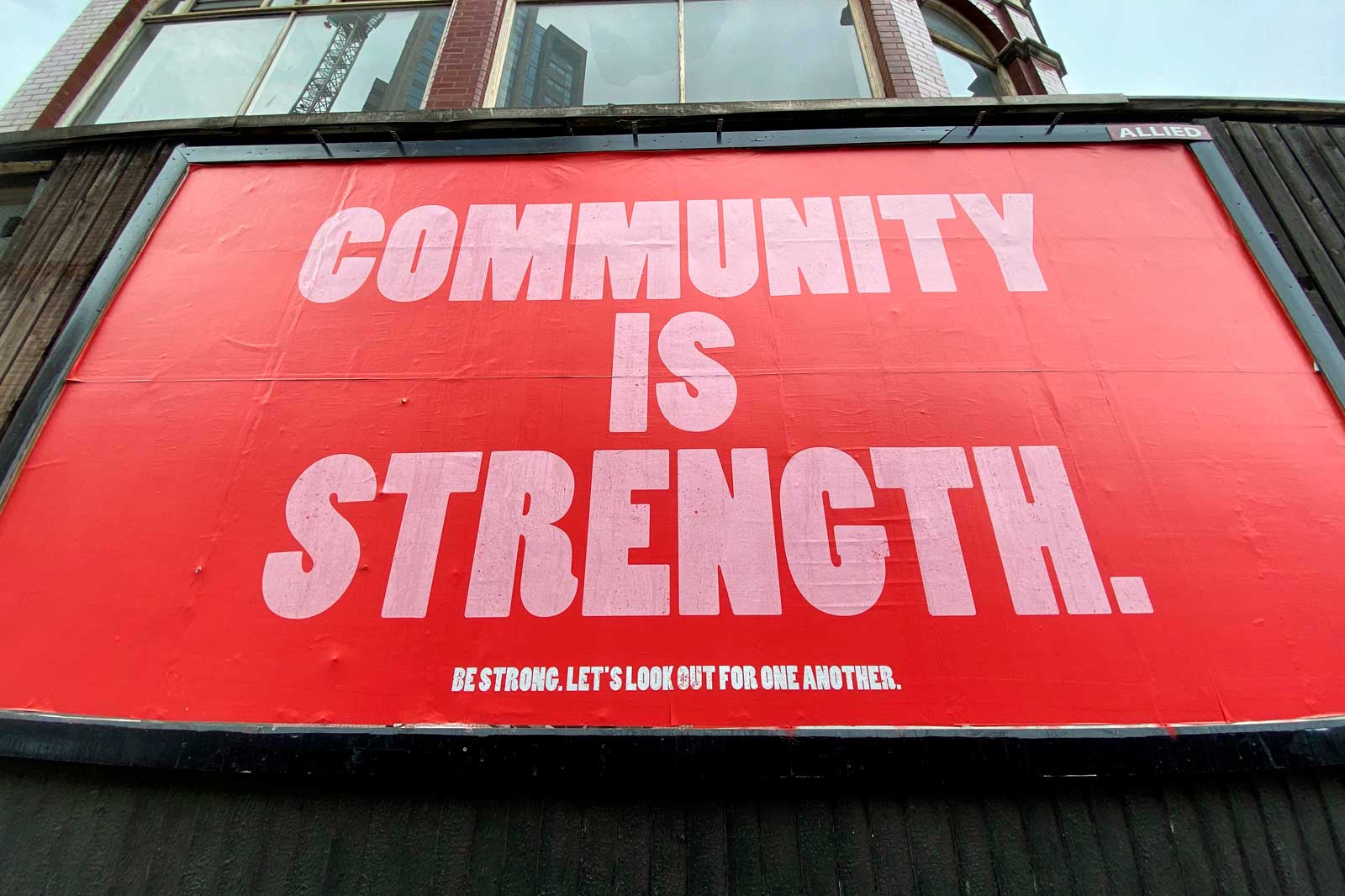
The ‘new’ social media is not platform-first; it’s community-first.
It is the belief that the individual gets to decide which conversation they enter and shape, not big business. This takes the form of a blended world of creator ecosystems and platforms built around community and self-governance, such as Discord, Reddit and Substack. The UK is now the second-largest market after the US for both Substack and Reddit, with the latter growing its UK audience by 47% in one year. These shifting engagement metrics demonstrate that the future of your brand relevance could well lie in collaborating with these communities rather than simply feeding the algorithm.
So, when you’re next planning for social, think about the people as well as the platforms. If you’d like our help to get started, just drop me a line at clair.atkins@ourmedia.co.uk
Talkwalker, UK Social Media Statistics 2025
Rival IQ, Benchmark 2024
Ofcom, Media Use and Attitudes 2025
Channel 4, Gen Z Trends, Trust & Trust 2024
IAB UK, 2025
More than just a strategic content agency
Content Marketing
We help our clients succeed through brilliantly told stories, the richest products and most effective campaigns.
Content Production
Our studios can produce content for any format, channel or medium. Always delivering the highest quality and biggest impact.
Monetisation
We create new revenue streams and commercial models for our clients rooted in our expertise of specialist content.
Consultancy
We help our clients assess new opportunities and overcome obstacles through a combination of data, insight, strategy and technology.
Advertising
Connect with our audiences that make up over 20% of the UK population in the environments that matter to them.

The exterior of our Bristol HQ